Water Damage
How Structural Drying Works
April 28, 2025 · 5 min read
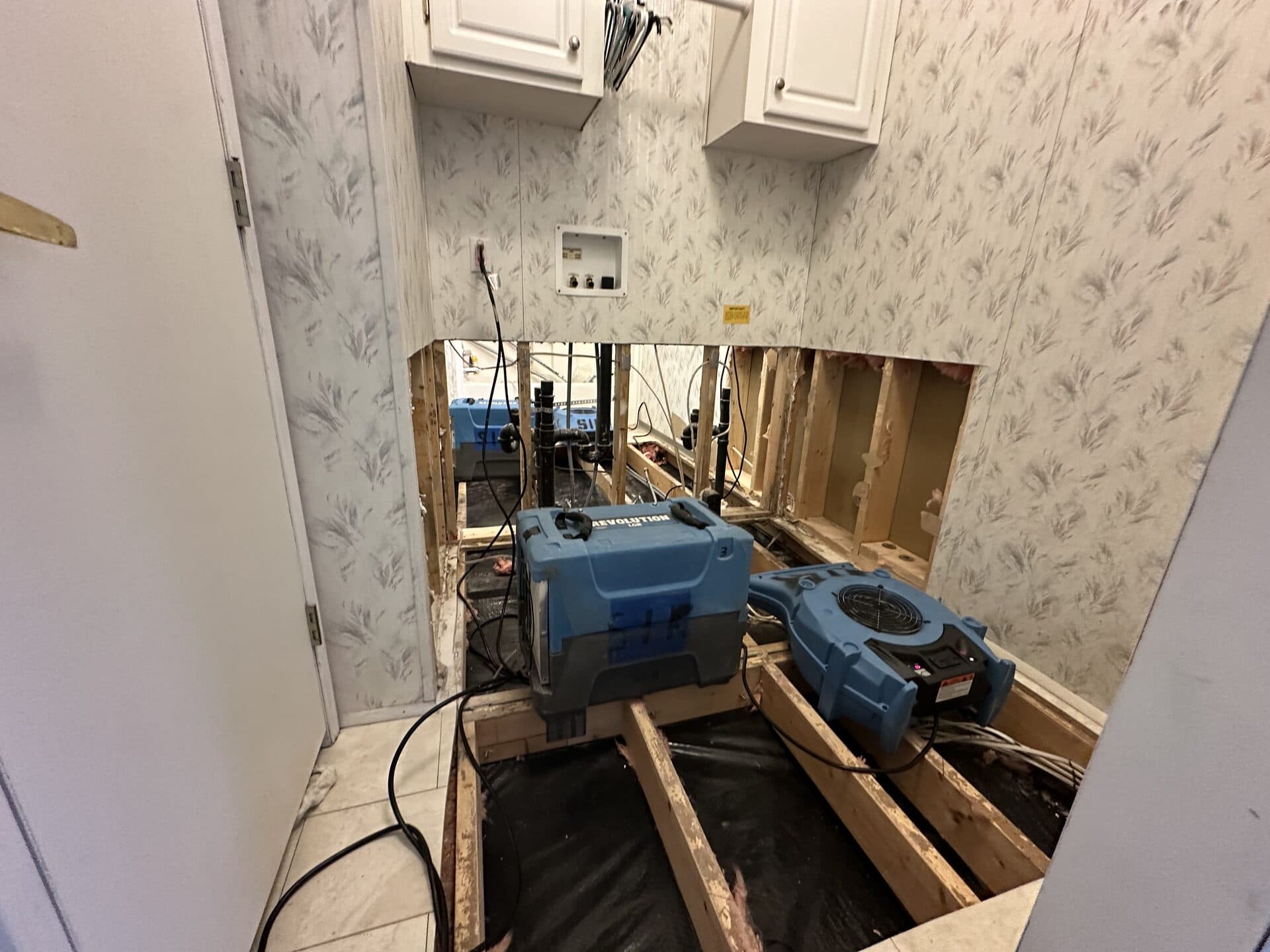
Structural drying is the process of removing water from the building materials in your home, not just the surface, so your property returns to its normal, safe moisture level. Done right, it prevents warping, swelling and mold. Done poorly, hidden moisture lingers and causes problems weeks later. Here is how professionals do it.
Step 1: Inspection and moisture mapping
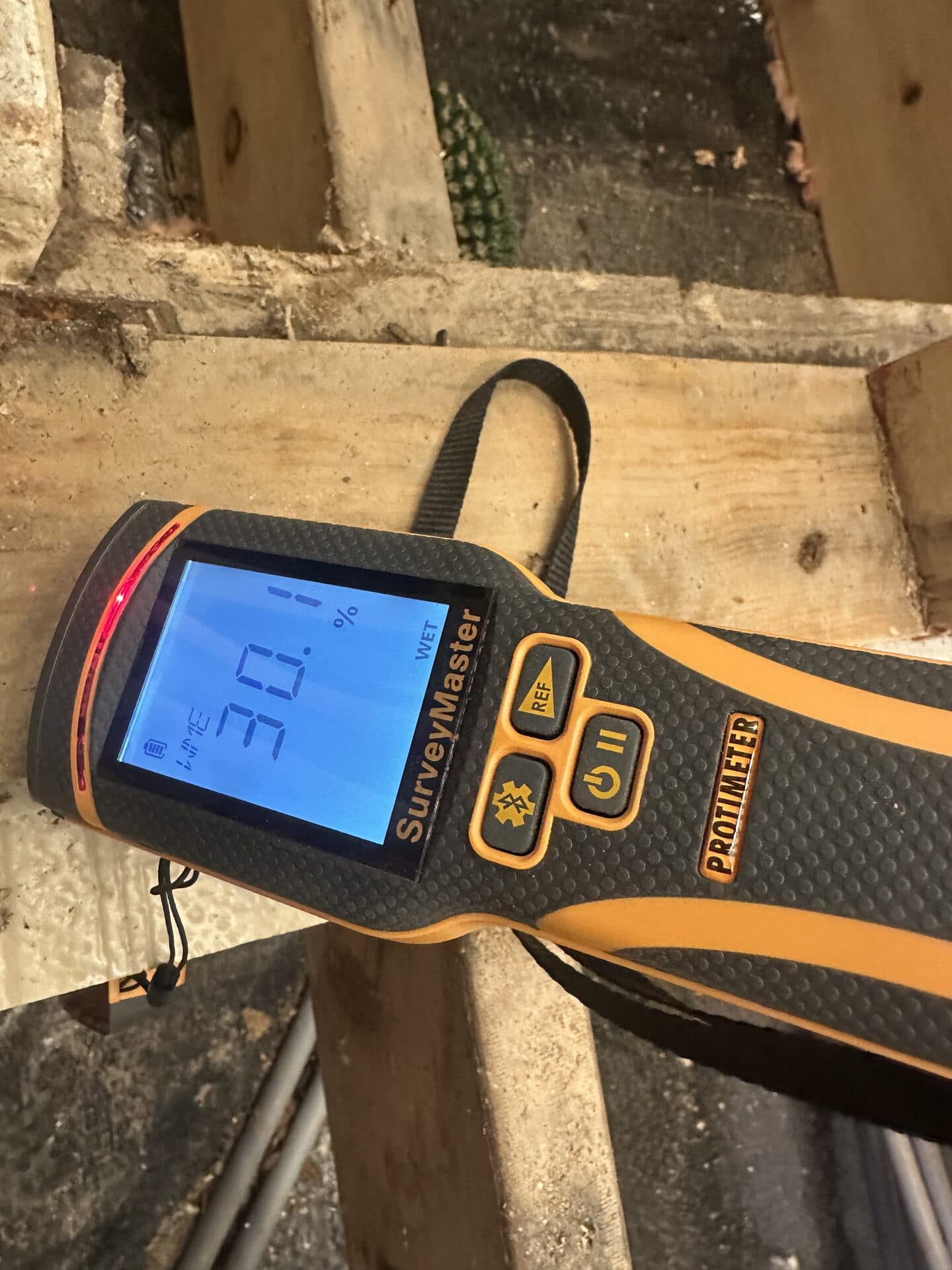
Before any equipment is placed, a technician measures how far the water has traveled. Using moisture meters and infrared cameras, they map moisture inside drywall, under flooring and within wall cavities. This baseline determines the drying plan and the target moisture level for each material.
Step 2: Water extraction
The more water removed mechanically, the faster the structure dries. Professionals use truck-mounted and portable extractors to pull standing water from carpet, pads and hard floors. Extraction removes vastly more water than evaporation alone, which shortens the entire drying time.
Step 3: Evaporation with air movers
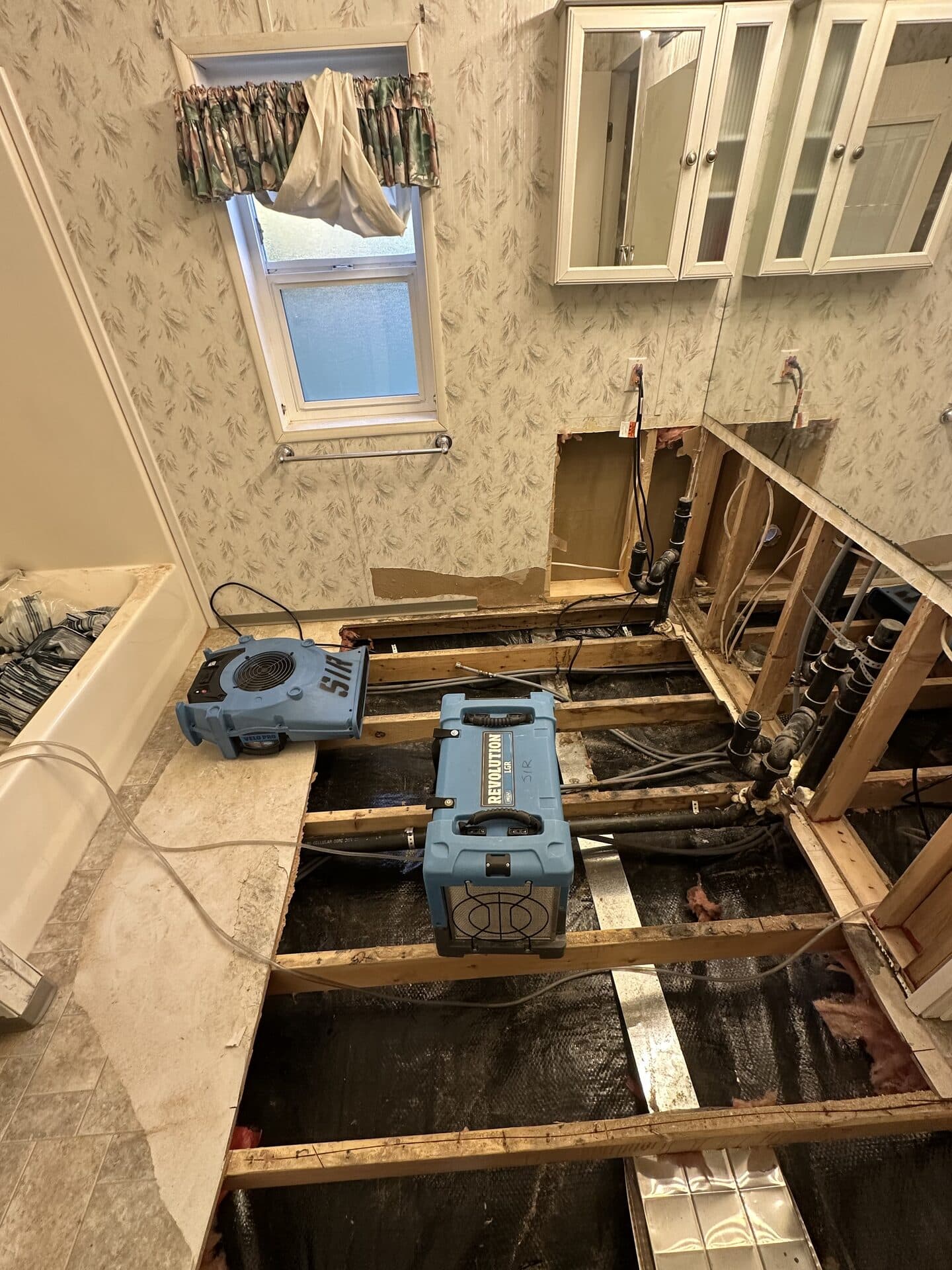
High-velocity air movers are positioned to sweep air across wet surfaces. This breaks the thin layer of moist air that clings to materials and speeds evaporation, moving water from the structure into the air where it can be removed.
Step 4: Dehumidification
As moisture evaporates into the air, dehumidifiers pull it back out so it does not simply resettle into dry materials. Commercial dehumidifiers remove far more water per day than household units, keeping humidity low enough for drying to continue.
Step 5: Monitoring and adjustment
Drying is not set and forget. Technicians return to measure moisture daily, adjusting the number and placement of air movers and dehumidifiers as materials dry. Readings are logged until each material reaches its dry standard, which also gives insurers clear proof the job was done correctly.
Why professional drying matters
Renting a few fans cannot replicate this process. Without extraction, airflow, dehumidification and monitoring working together, moisture hides in wall cavities and subfloors, where it warps materials and feeds mold. Professional structural drying confirms, with data, that your home is truly dry.
If your home has water damage, our water damage restoration team brings the equipment and the monitoring to dry it fully and safely. Call (425) 772-9467 for a free assessment.
Need help now?
Our water damage restoration team responds 24/7 across Washington and works directly with your insurance. Call (425) 772-9467.
Frequently Asked Questions
How long does structural drying take?+
Most homes dry in about three to five days, though it depends on how much water was absorbed, the materials involved and the conditions. Daily monitoring confirms when drying is complete.
Can I just use fans to dry water damage?+
Fans alone move air but do not remove humidity or reach moisture hidden inside walls and floors. Professional drying combines extraction, air movers, dehumidifiers and monitoring to dry the structure fully.
How do you know when a home is fully dry?+
Technicians measure moisture with meters and compare each material to a dry standard. Drying continues until those readings are met, and the results are documented.