Mold
Spring Mold Prevention in the Pacific Northwest
March 10, 2026 · 5 min read
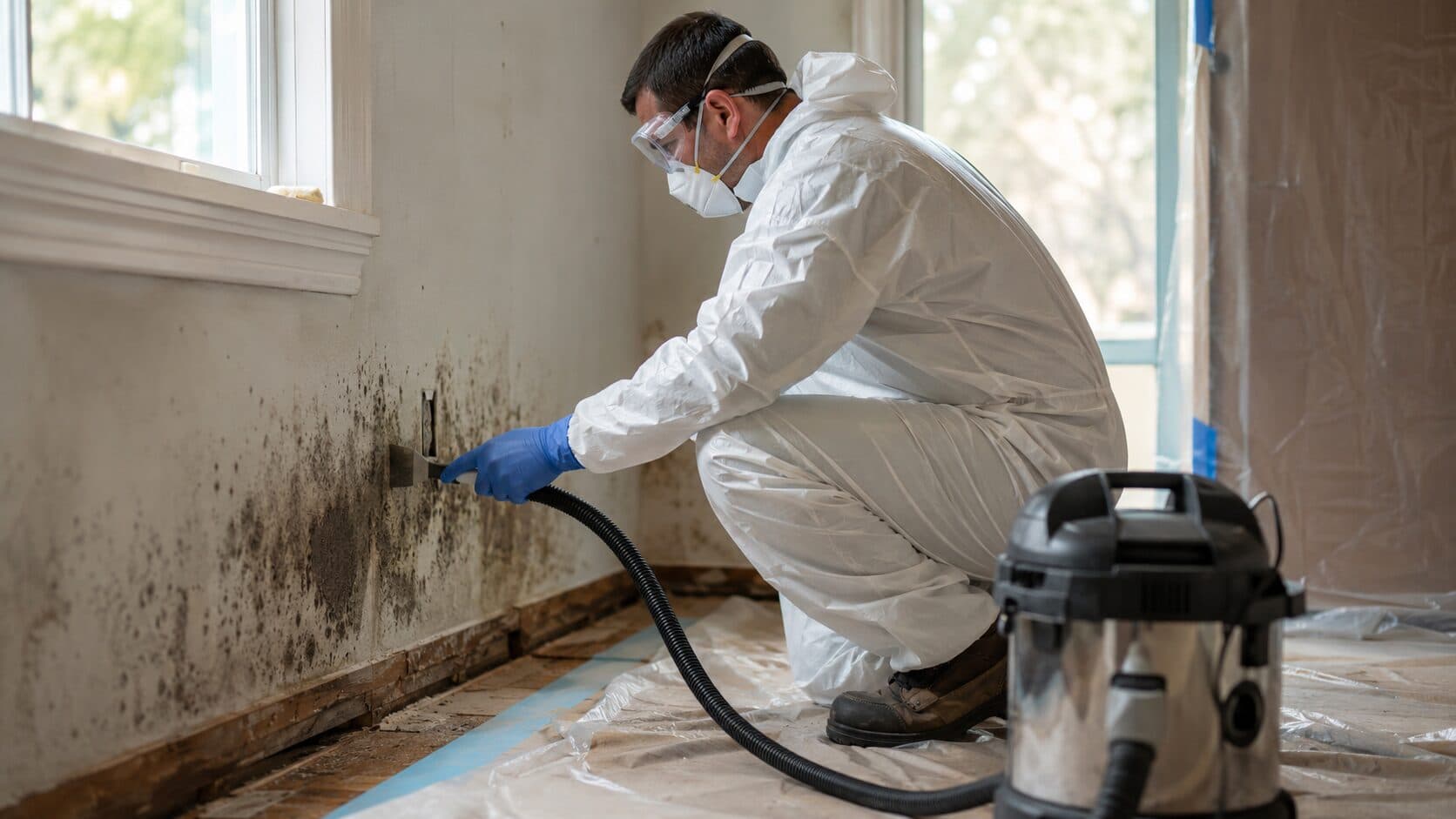
By the time spring arrives in western Washington, homes have been through months of rain, closed windows and indoor humidity. That combination makes spring one of the most active times of year for mold. The Pacific Northwest's mild, damp climate gives mold exactly what it needs to grow, so a little prevention now protects your home and your air quality through the season. Here is what to watch for and what to do.
Why the PNW climate feeds mold
Mold needs moisture, a food source like drywall or wood, and time. Our long wet season supplies the moisture, and homes that stay closed up through winter trap indoor humidity from cooking, showers and drying laundry. The U.S. EPA notes that mold can begin to grow on damp materials within 24 to 48 hours, so persistent dampness is all it takes to get started.
Control the moisture, control the mold
Since you cannot remove mold spores from the air, the only reliable way to prevent mold is to control moisture. The EPA's core guidance is simple: keep indoor humidity down and fix water problems promptly.
- Keep indoor humidity below about 50 percent, using a dehumidifier in damp areas if needed.
- Run bathroom and kitchen exhaust fans during and after showers and cooking.
- Address any leak, no matter how small, quickly, and dry damp materials within 24 to 48 hours.
- Improve airflow in closets, crawl spaces and other closed, humid spots.
Early signs of a mold problem
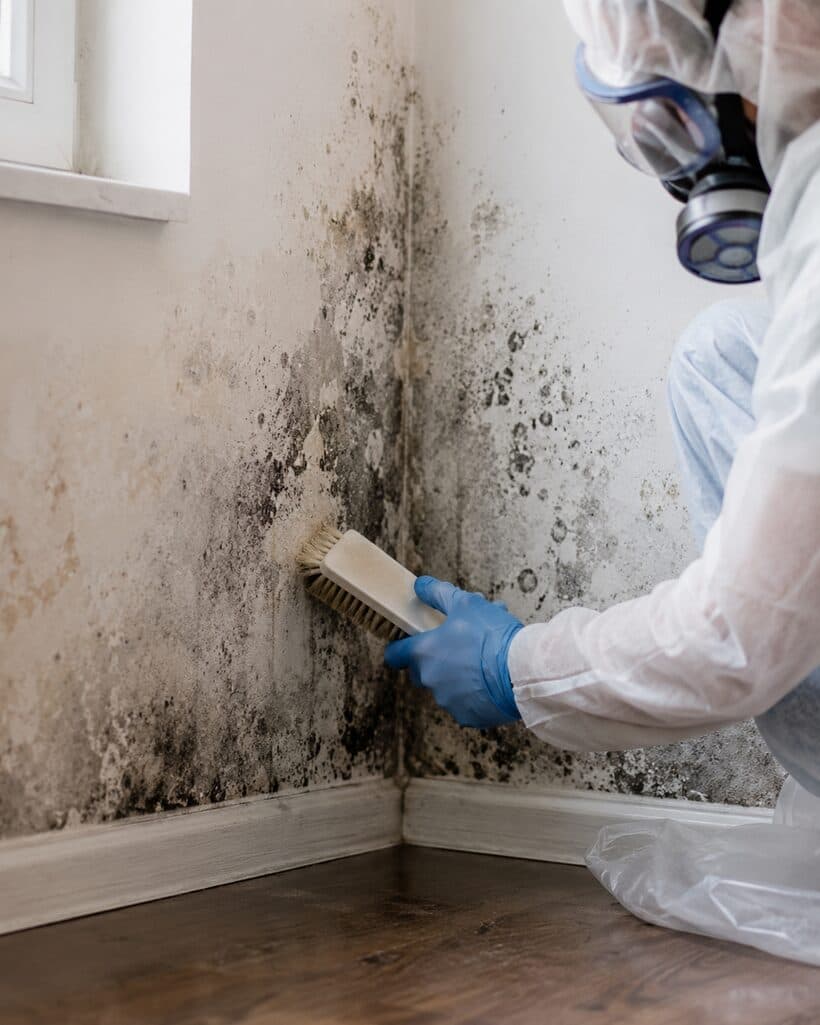
Mold is often easier to smell than to see at first. A persistent musty or earthy odor, especially in a bathroom, basement or crawl space, is one of the most common early warnings. Look for discoloration on walls, ceilings and around windows, watch for peeling paint or warped materials, and pay attention to worsening allergy-type symptoms indoors.
When to call a professional
Small surface spots can often be cleaned by a homeowner, but larger problems need professional remediation. The EPA suggests that mold covering more than about 10 square feet, or any mold tied to contaminated water or hidden inside walls, be handled with professional help. A professional finds the moisture source, contains the area so spores do not spread, and removes the mold safely. If you suspect a mold problem, our team can help. Call (425) 772-9467.
Related services: Water Damage Restoration and Reconstruction, serving Kirkland and nearby communities.
Need help now?
Our mold remediation team responds 24/7 across Washington and works directly with your insurance. Call (425) 772-9467.

Written by
Adones Batista · Founder & CEO
Adones Batista is the founder of Turning On Restoration & Remodeling, with over 15 years of hands-on experience in construction, disaster response and insurance restoration across Washington.
More about AdonesFrequently Asked Questions
Why is mold worse in spring in Washington?+
Months of rain and closed-up homes trap indoor humidity through winter, and the mild, damp spring climate gives mold ideal conditions to grow on any surface that has stayed wet.
How do I prevent mold in a damp climate?+
Control moisture: keep indoor humidity below about 50 percent, use exhaust fans, fix leaks fast and dry any damp materials within 24 to 48 hours. The EPA's guidance is to keep humidity down and fix water problems promptly.
When should I call a professional about mold?+
The EPA suggests professional help for mold larger than about 10 square feet, or any mold linked to contaminated water or hidden inside walls. A professional finds the source, contains the area and removes it safely. Call (425) 772-9467.