Water Damage
Mitigation, Restoration and Reconstruction: The Difference
February 24, 2026 · 5 min read
If your home has been damaged by water, fire or a storm, you will hear three words used a lot: mitigation, restoration and reconstruction. They are often treated as interchangeable, but they describe three distinct phases of the recovery, and knowing the difference helps you understand what is happening and what to expect. Here is a clear breakdown.
Mitigation: stopping the damage from getting worse
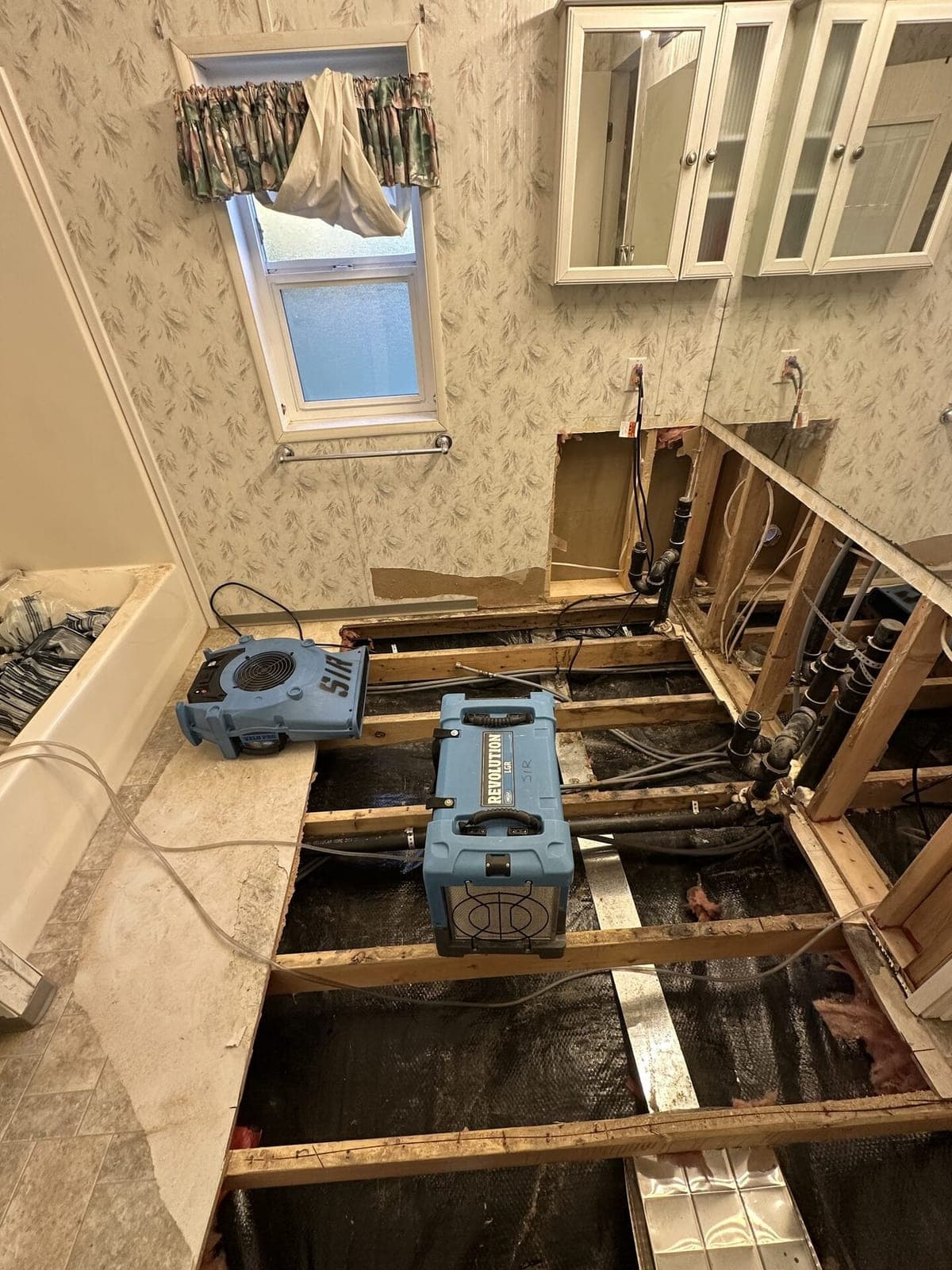
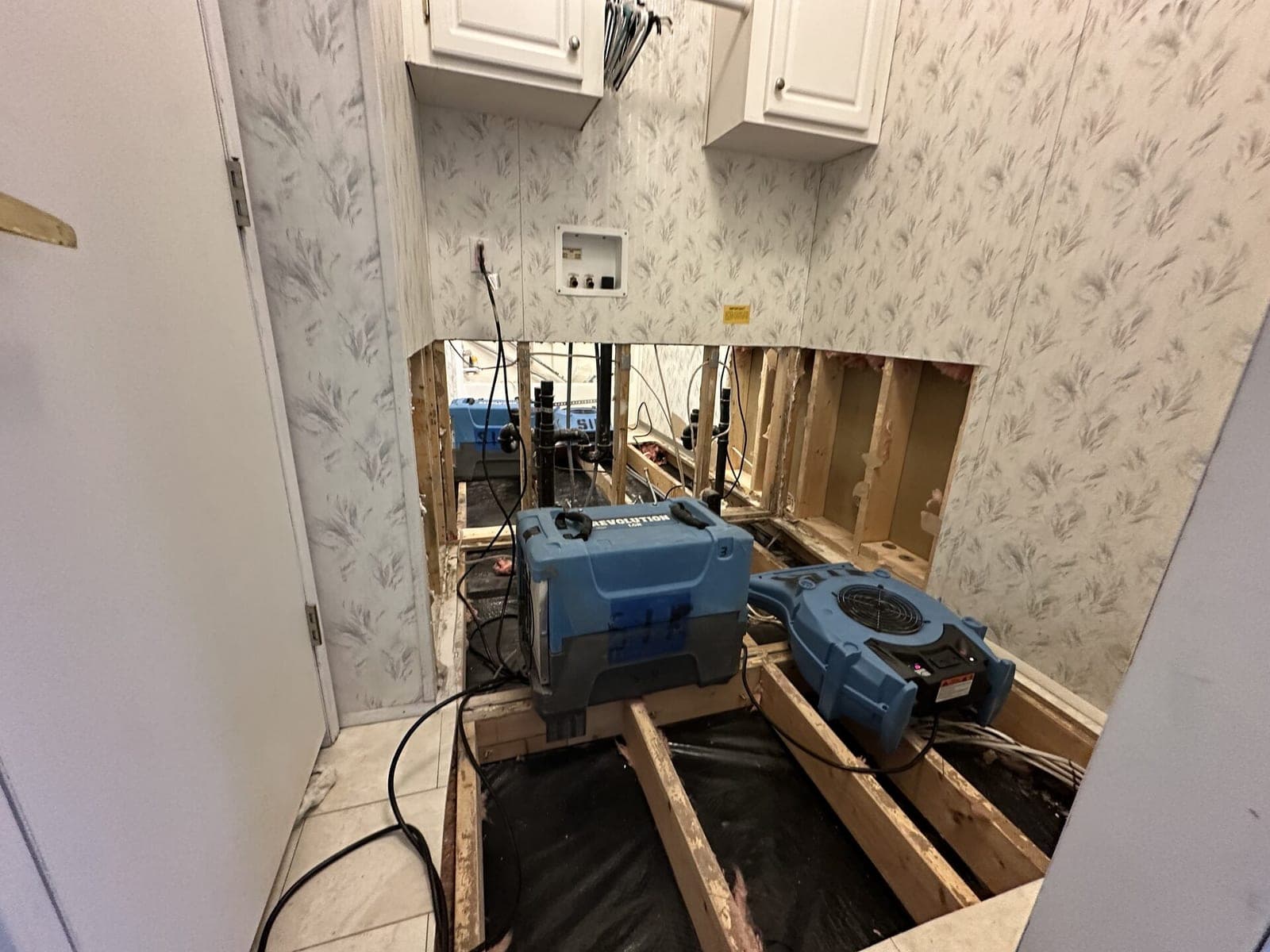
Mitigation is the emergency phase. Its goal is to stop the loss from spreading and to stabilize your home as quickly as possible. After water damage, that means shutting off the source, extracting standing water and beginning structural drying. After a fire, it can mean boarding up openings and protecting what survived. Mitigation is about speed, because fast action limits how much needs to be repaired later.
Restoration: cleaning and returning to normal
Restoration is the work of bringing your home back to its pre-loss condition. It includes thorough drying and monitoring, cleaning and sanitizing, removing materials that cannot be saved, and addressing risks like mold. The aim of restoration is to save and recover as much of the existing structure as possible, rather than tearing out and rebuilding what did not need to be replaced.
Reconstruction: rebuilding what was lost
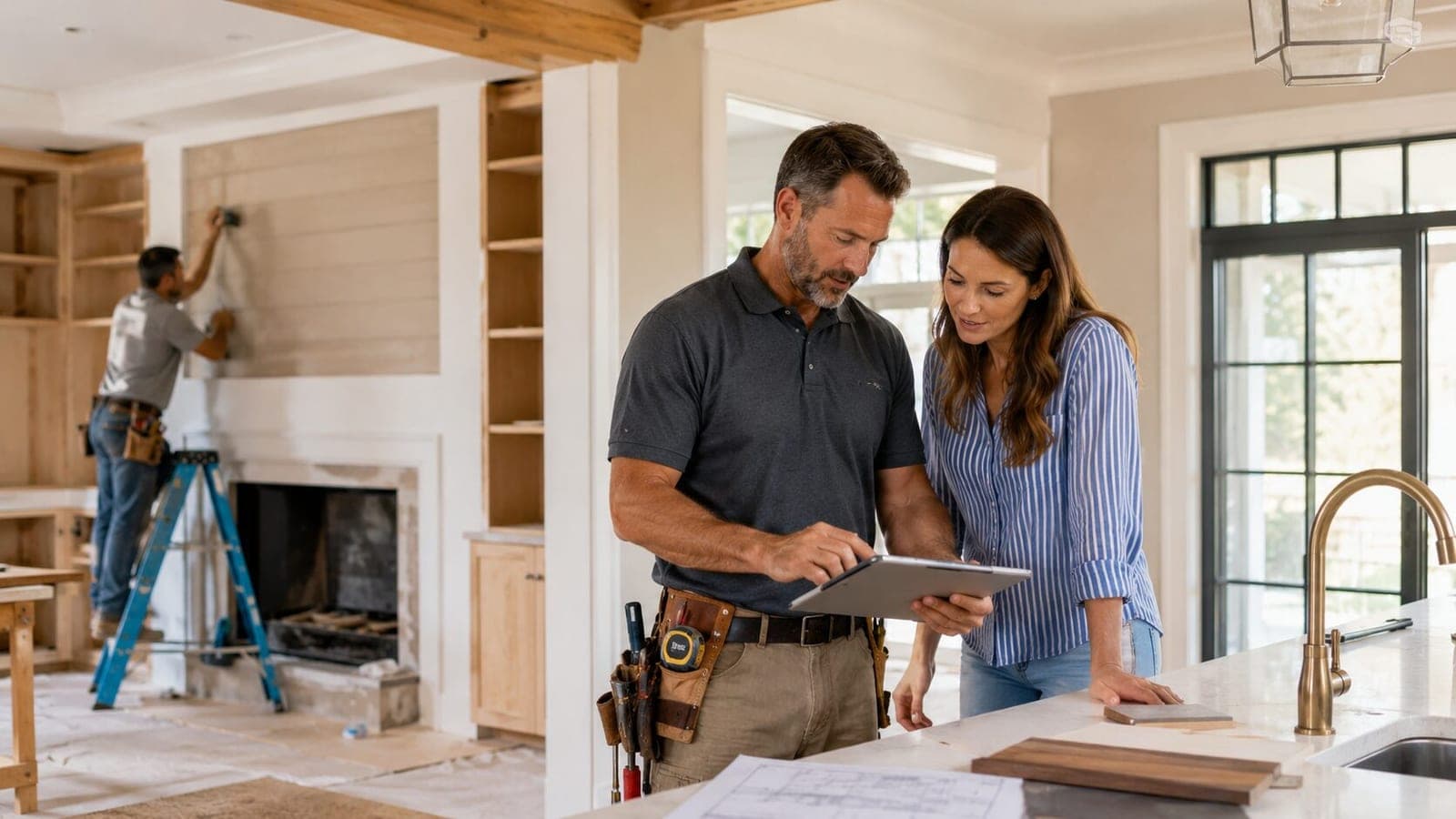
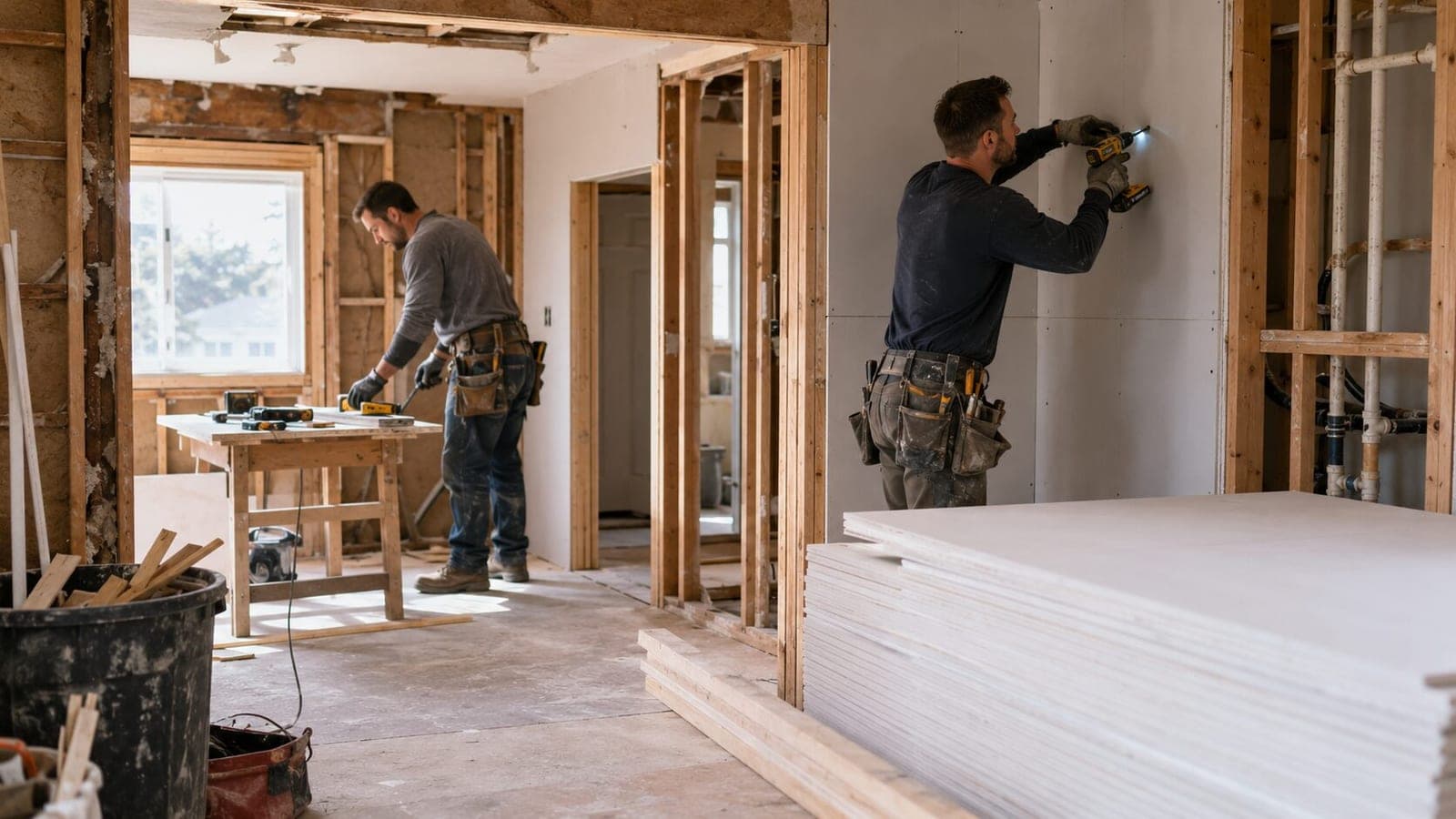
Reconstruction is the rebuilding phase, and it begins where restoration reaches its limit. When damage is severe enough that materials or whole sections of the home must be rebuilt, reconstruction restores them, from hanging new drywall and flooring to rebuilding rooms and structural elements. Reconstruction often requires permits, and in Washington the contractor doing the work must be registered with the Department of Labor & Industries.
How the phases fit together
These phases flow into one another. A serious water loss might begin with emergency mitigation, move into restoration and drying, and finish with reconstruction of the areas that were removed. The advantage of working with a company that handles all three is continuity: there is no gap where one contractor finishes drying and you are left to find someone else to rebuild.
- Mitigation: emergency response to stop and stabilize the damage.
- Restoration: cleaning, drying and saving the existing structure.
- Reconstruction: rebuilding the parts that could not be saved.
One team from emergency to finished home
Turning On handles the full path, from the first emergency call through mitigation, restoration and complete reconstruction, and we coordinate with your insurance throughout. That means one accountable team from the moment water hits the floor to the day your home looks like itself again. Call (425) 772-9467.
Related services: Mold Remediation and Reconstruction, serving Bellevue and nearby communities.
Need help now?
Our water damage restoration team responds 24/7 across Washington and works directly with your insurance. Call (425) 772-9467.

Written by
Adones Batista · Founder & CEO
Adones Batista is the founder of Turning On Restoration & Remodeling, with over 15 years of hands-on experience in construction, disaster response and insurance restoration across Washington.
More about AdonesFrequently Asked Questions
What is the difference between mitigation and restoration?+
Mitigation is the emergency work that stops damage from spreading, such as water extraction and drying. Restoration is the follow-up work that cleans, dries fully and returns your home to its pre-loss condition.
Is reconstruction the same as restoration?+
No. Restoration saves and recovers the existing structure, while reconstruction rebuilds parts that were too damaged to save, such as new drywall, flooring or whole rooms. Reconstruction often requires permits.
Can one company handle all three phases?+
Yes, and it is usually better when they do. A single team from mitigation through reconstruction means no gaps, consistent documentation and one point of accountability. Turning On covers all three. Call (425) 772-9467.