Water Damage
How to Prevent Frozen and Burst Pipes This Winter
January 27, 2026 · 5 min read
The Puget Sound region does not freeze often, and that is exactly why frozen pipes catch so many homeowners off guard. Homes here are not always built with hard freezes in mind, so when an arctic cold snap arrives, pipes in crawl spaces, garages and exterior walls are vulnerable. A frozen pipe that bursts can release hundreds of gallons of water into your home. Here is how to prevent it.
Why pipes burst when they freeze
When water freezes it expands, and that expansion creates enormous pressure inside a closed pipe. The pipe often does not split where the ice forms, but downstream where the pressure has nowhere to go. Pipes are most at risk once outdoor temperatures fall below about 20 degrees Fahrenheit, especially those in unheated or poorly insulated spaces.
Before a cold snap arrives
- Insulate exposed pipes in crawl spaces, garages, attics and along exterior walls with foam pipe sleeves.
- Disconnect and drain garden hoses, and shut off and drain outdoor faucets.
- Seal drafts and gaps where cold air can reach pipes.
- Know where your main water shutoff is, so you can act fast if a pipe does burst.
During a hard freeze
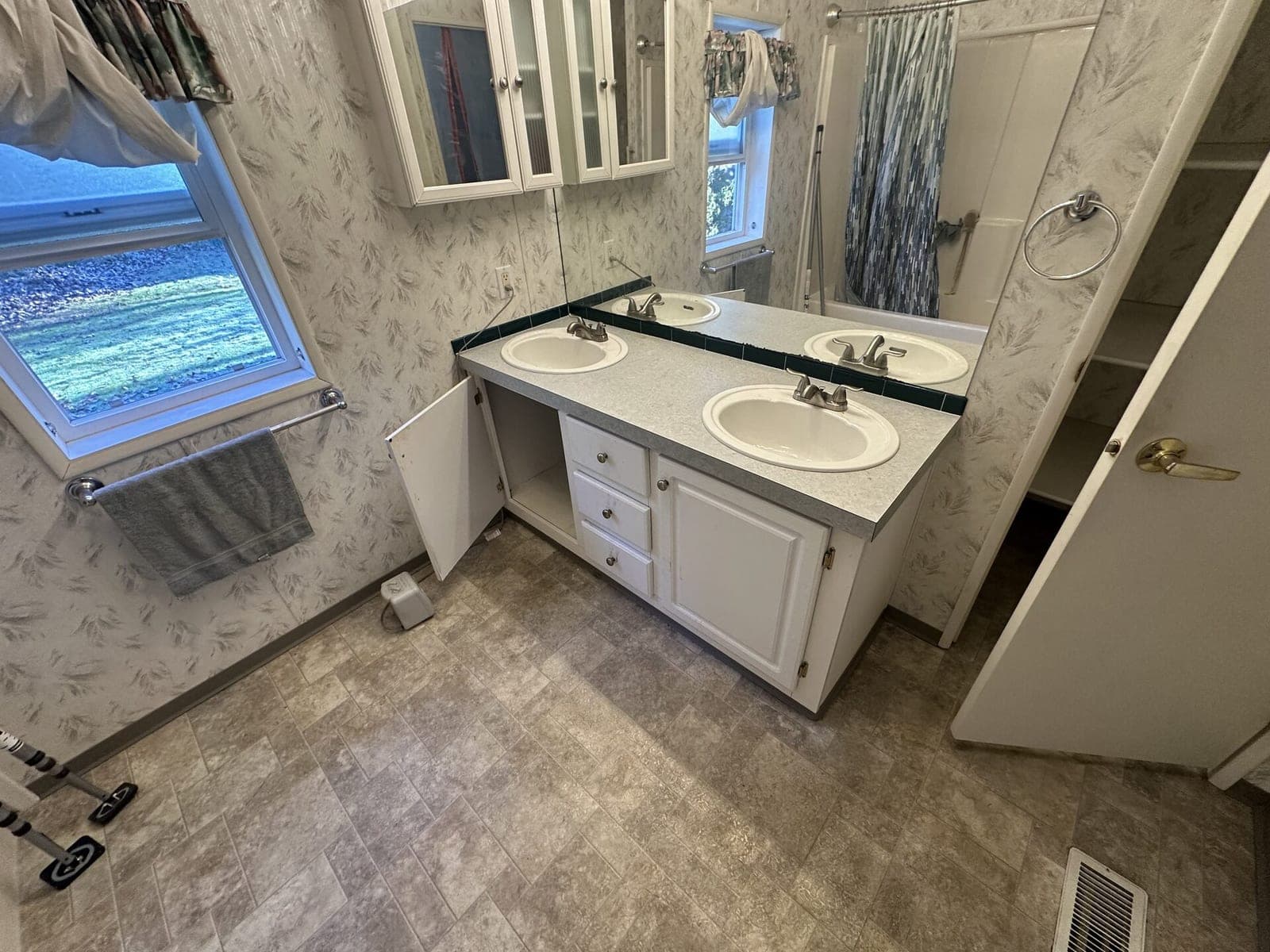
When temperatures drop sharply, a few small habits make a real difference. Let a cold-water faucet drip slightly on pipes that run along exterior walls, since moving water is far less likely to freeze. Open cabinet doors under sinks so warm room air can reach the plumbing, and keep your heat set no lower than 55 degrees, even when you are away.
If a pipe freezes
If you turn on a faucet and only a trickle comes out, a pipe may be frozen. Keep the faucet open, and warm the pipe gently with a hair dryer or towels soaked in warm water, working from the faucet end back toward the frozen section. Never use an open flame. If you cannot locate the frozen area, cannot reach it, or the pipe has already burst, shut off the main water supply and call for help.
When a pipe has already burst
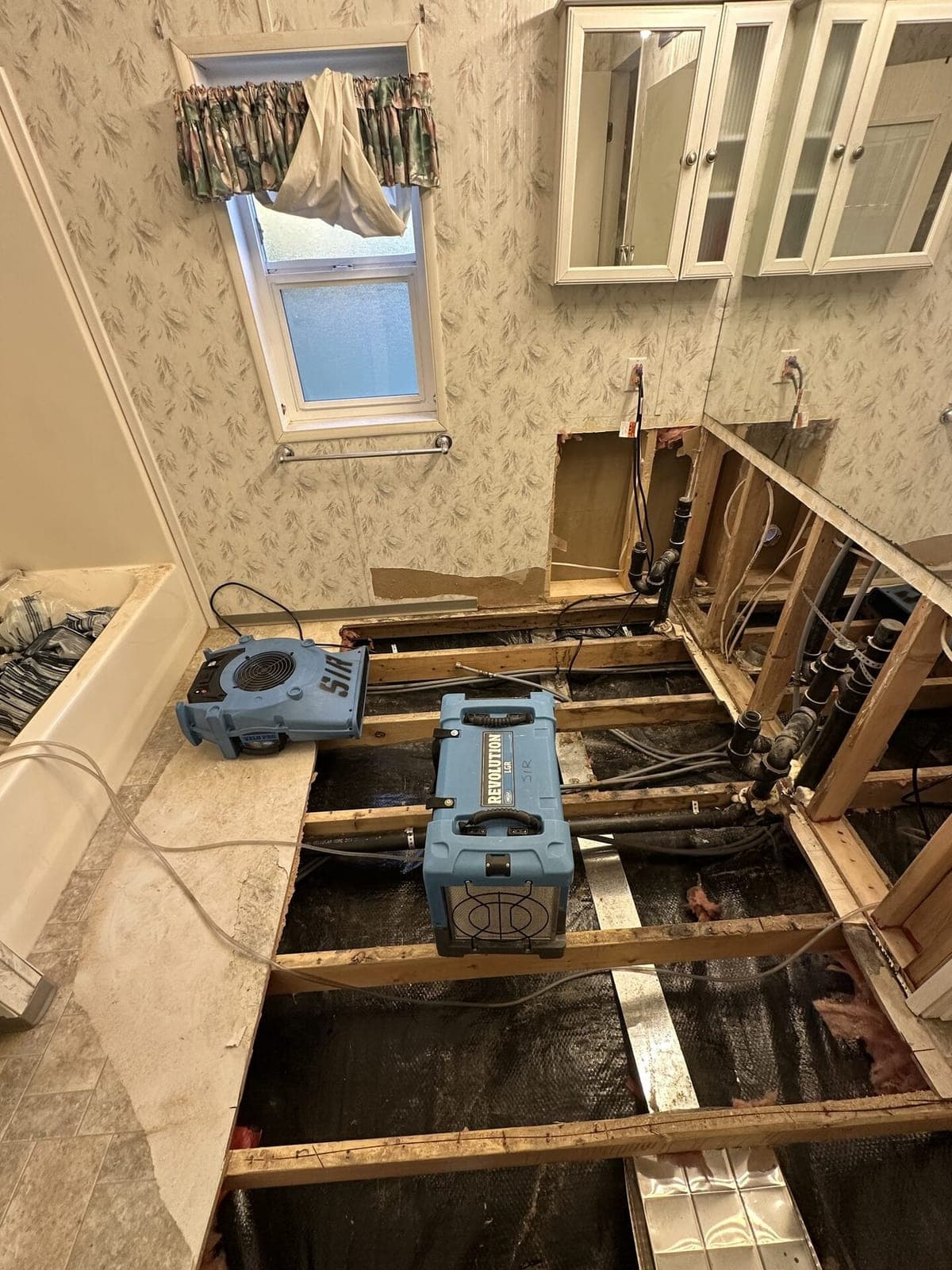
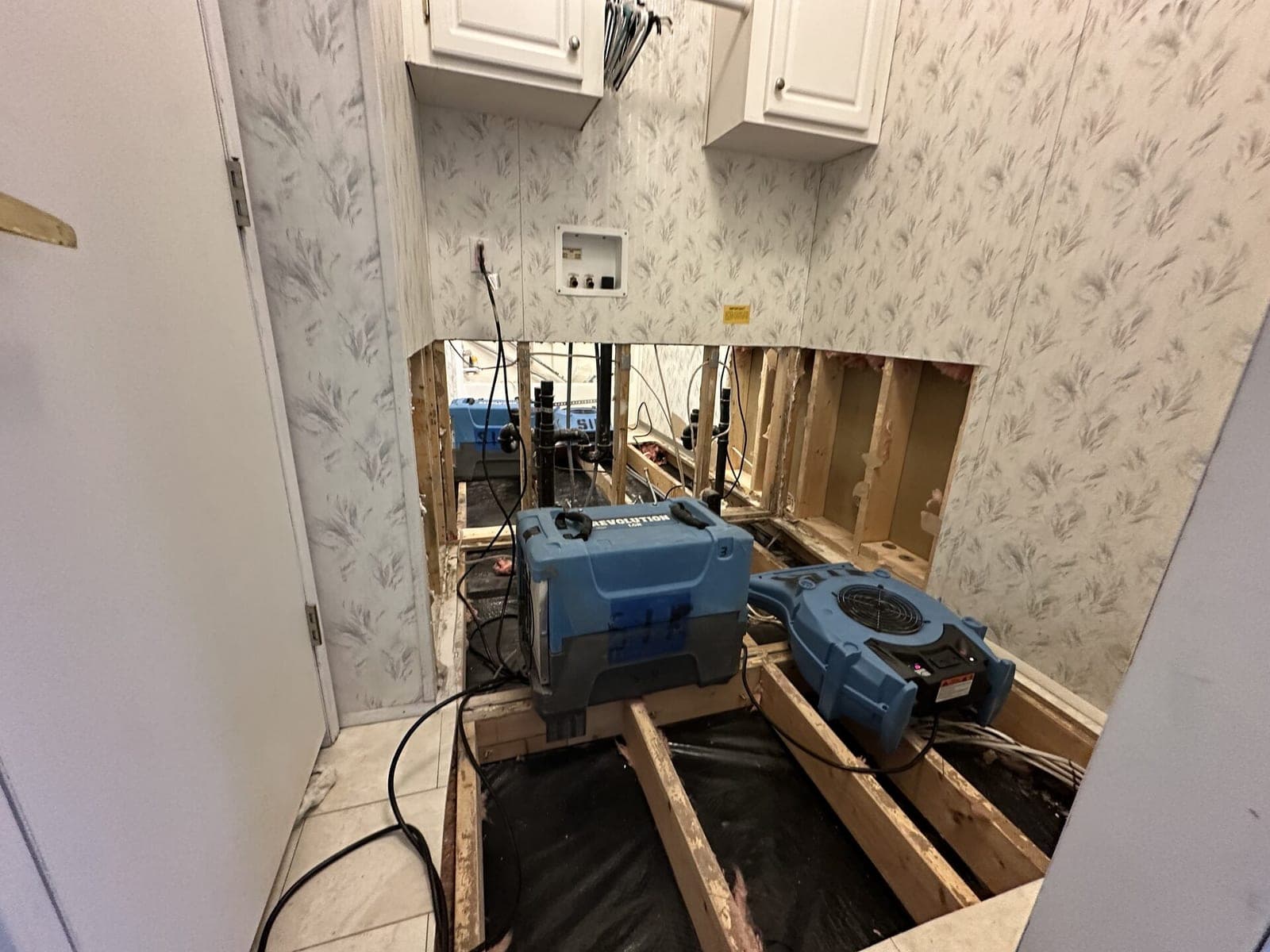
A burst pipe is an emergency. Shut off the main water supply immediately, then shut off electricity to affected areas if you can do so safely. The faster the water is extracted and the structure is dried, the less damage you face and the lower your risk of mold, which can begin within 24 to 48 hours. Our team is available 24/7 to respond, extract the water and work directly with your insurance. Call (425) 772-9467.
Related services: Mold Remediation and Reconstruction, serving Bellevue and nearby communities.
Need help now?
Our water damage restoration team responds 24/7 across Washington and works directly with your insurance. Call (425) 772-9467.

Written by
Adones Batista · Founder & CEO
Adones Batista is the founder of Turning On Restoration & Remodeling, with over 15 years of hands-on experience in construction, disaster response and insurance restoration across Washington.
More about AdonesFrequently Asked Questions
At what temperature do pipes freeze?+
Pipes are generally at risk when outdoor temperatures fall below about 20 degrees Fahrenheit, particularly pipes in unheated crawl spaces, garages, attics and exterior walls.
Should I let my faucets drip in a cold snap?+
Yes. Letting a faucet drip slightly on pipes along exterior walls keeps water moving, which makes freezing far less likely and relieves pressure if ice does start to form.
Is a burst pipe covered by insurance?+
In most cases yes. A burst pipe is considered sudden and accidental, which standard homeowners policies typically cover, along with the resulting water damage. We can document the loss and coordinate with your insurer.